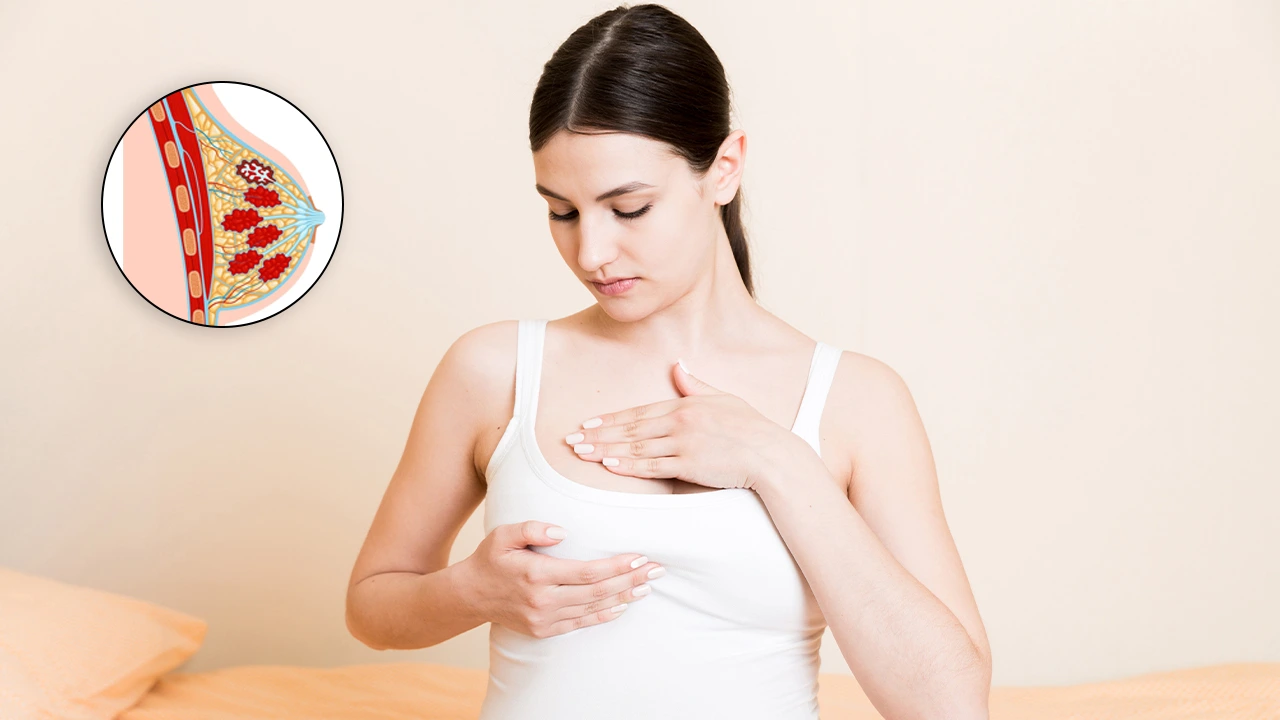
Breast health is an important aspect of a woman’s overall well-being, especially during pregnancy and breastfeeding. One common breast condition that many women may experience is mastitis, which is an inflammation of the breast tissue. If not treated promptly, mastitis can sometimes progress into a breast abscess, a more serious infection that forms a pocket of pus in the breast.
These conditions can cause significant discomfort and may interfere with breastfeeding if not managed properly. Early recognition of symptoms and timely medical care can help prevent complications and support a smooth recovery.
Dr. Kanmani Govindrao Telkar provides expert care for breast infections and related conditions, helping patients receive the right treatment and guidance for maintaining breast health.
What Is Mastitis?
Mastitis is an inflammation of the breast tissue that commonly occurs in women who are breastfeeding, although it can also affect women who are not lactating.
The condition usually develops when bacteria enter the breast through cracked or sore nipples, leading to infection and inflammation. Blocked milk ducts can also contribute to the development of mastitis.
Mastitis often affects one breast and can develop quickly, causing pain and discomfort.
Causes Of Mastitis
Several factors can increase the risk of developing mastitis.
Common causes include:
- Blocked milk ducts
- Incomplete emptying of the breast during feeding
- Cracked or damaged nipples
- Bacterial infection entering through the skin
- Poor breastfeeding technique
- Tight clothing that puts pressure on the breast
- Fatigue or stress during the breastfeeding period
Addressing these factors can help reduce the risk of breast infections.
Symptoms Of Mastitis
Symptoms of mastitis may develop suddenly and can vary in severity.
Common symptoms include:
- Breast pain or tenderness
- Swelling of the breast tissue
- Warmth or redness in a specific area of the breast
- Fever and chills
- Fatigue or body aches
- A burning sensation during breastfeeding
- Thickened breast tissue or a lump
If mastitis is not treated early, the infection may progress and lead to a breast abscess.
What Is A Breast Abscess?
A breast abscess is a localized collection of pus within the breast tissue caused by an untreated or severe infection.
It usually develops as a complication of mastitis when bacteria multiply and the body forms a pocket of pus to contain the infection.
Breast abscesses require prompt medical treatment to relieve pain and remove the infected fluid.
Symptoms Of Breast Abscess
Symptoms of a breast abscess may include:
- A painful lump in the breast
- Persistent swelling and redness
- Warmth over the affected area
- Severe tenderness
- Fever and general illness
- Pus discharge from the nipple or skin
Unlike mastitis, a breast abscess usually causes a clearly defined lump that may feel soft or fluctuant due to the presence of pus.
Diagnosis Of Mastitis And Breast Abscess
Doctors diagnose these conditions through a clinical examination of the breast.
Diagnostic methods may include:
- Physical examination of the breast
- Ultrasound imaging to detect abscess formation
- Laboratory tests if infection is suspected
Ultrasound is especially helpful in identifying whether a lump is due to inflammation or an abscess containing pus.
Treatment Of Mastitis
Early treatment of mastitis can prevent the infection from progressing to a breast abscess.
Treatment may include:
- Antibiotic medications to treat bacterial infection
- Pain relief medications to reduce discomfort
- Warm compresses to improve milk flow
- Frequent breastfeeding or pumping to empty the breast
- Adequate rest and hydration
Continuing breastfeeding is often recommended unless advised otherwise by the doctor.
Treatment Of Breast Abscess
A breast abscess usually requires additional treatment to remove the pus.
Treatment options may include:
- Needle aspiration to drain the abscess
- Incision and drainage procedure in more severe cases
- Antibiotic therapy to control infection
- Regular follow-up to ensure proper healing
With proper treatment, most patients recover completely without long-term complications.
Tips To Prevent Mastitis
Preventive care is especially important for breastfeeding mothers.
Helpful preventive measures include:
- Ensuring proper breastfeeding technique
- Emptying the breast completely during feeds
- Avoiding tight-fitting bras or clothing
- Maintaining good breast hygiene
- Treating cracked nipples promptly
- Alternating breastfeeding positions
These simple steps can help reduce the risk of breast infections.
When Should You Consult A Doctor?
Medical consultation is important if you experience:
- Persistent breast pain or swelling
- Fever along with breast tenderness
- A lump that does not improve after treatment
- Redness or warmth in the breast
- Symptoms that worsen during breastfeeding
Early treatment helps prevent complications and ensures faster recovery.
FAQs
Q: What causes mastitis?
A: Mastitis is usually caused by bacterial infection entering the breast through cracked nipples or due to blocked milk ducts that lead to inflammation.
Q: Can mastitis occur in women who are not breastfeeding?
A: Yes, although it is more common in breastfeeding women, mastitis can also occur in non-lactating women due to infection or inflammation.
Q: What is the difference between mastitis and a breast abscess?
A: Mastitis is inflammation of the breast tissue, while a breast abscess is a collection of pus that develops as a complication of untreated mastitis.
Q: Can mastitis heal without treatment?
A: Mild cases may improve with proper breast emptying and care, but antibiotics are often required to treat the infection effectively.
Q: Is breastfeeding safe during mastitis?
A: In most cases, breastfeeding can continue during mastitis and may actually help clear blocked milk ducts, but medical advice should always be followed.
Get Expert Care For Breast Health
Breast pain, swelling, or infection should never be ignored, especially during the breastfeeding period. Early diagnosis and proper treatment can prevent complications such as breast abscess.
If you experience symptoms of mastitis or a breast abscess, consult Dr. Kanmani Govindrao Telkar for expert evaluation and personalized treatment to restore breast health and comfort.