
A breast cancer diagnosis often brings many questions, and one of the most common is whether it's possible to remove the cancer while preserving the natural appearance of the breast. For some patients, a nipple sparing mastectomy (NSM) offers this possibility.
This advanced surgical technique removes the breast tissue while preserving the nipple and areola, allowing for immediate or delayed breast reconstruction in appropriate cases. However, it's important to know that nipple sparing mastectomy isn't suitable for everyone. The decision depends on several medical and surgical factors that are carefully evaluated before treatment.
What Is a Nipple Sparing Mastectomy?
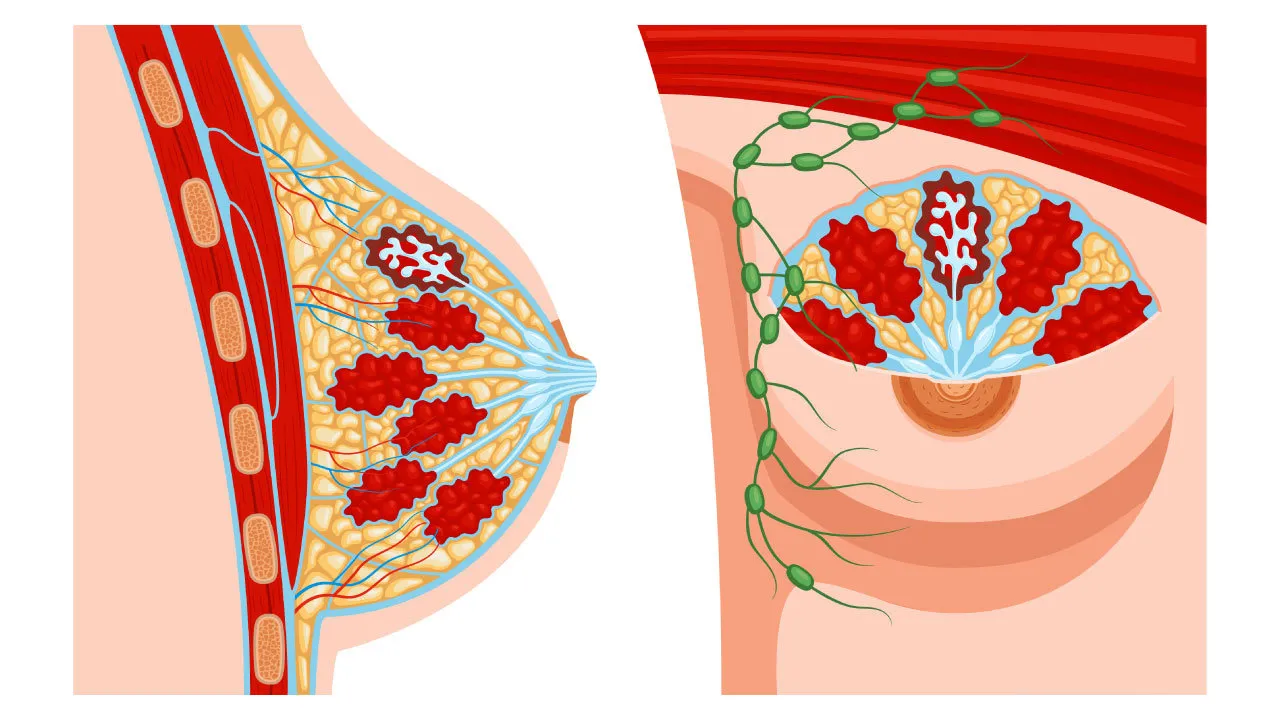
A nipple sparing mastectomy is a type of breast surgery in which nearly all breast tissue is removed while preserving the skin, nipple, and areola.
Because the natural skin envelope is maintained, reconstruction can often achieve a more natural-looking breast. The procedure is commonly performed with immediate breast reconstruction, although the timing depends on each patient's treatment plan.
Preserving the nipple is only considered when it can be done safely from an oncological standpoint.
Who May Be a Candidate?
Your breast surgeon will assess several factors before recommending nipple sparing mastectomy.
You may be a suitable candidate if:
- The cancer is located away from the nipple and areola.
- Imaging and clinical evaluation suggest that the nipple is not involved by the cancer.
- The tumor is appropriately sized for this surgical approach.
- There is no evidence of inflammatory breast cancer.
- The skin over the breast is healthy and not affected by the cancer.
- You are considering prophylactic (risk-reducing) mastectomy because of a significantly increased genetic risk, such as a BRCA1 or BRCA2 mutation, when appropriate.
Every case is unique, and eligibility is determined after a thorough evaluation.
When Might It Not Be Recommended?
Nipple sparing mastectomy may not be suitable if:
- The cancer involves or is very close to the nipple.
- There is evidence that the nipple or surrounding skin is affected.
- You have inflammatory breast cancer.
- The tumor is very large relative to the size of the breast in certain situations.
- There are other medical or surgical factors that could affect healing or safety.
Your surgeon will explain why another type of mastectomy may provide a better oncological outcome if nipple preservation isn't advisable.
What Are the Benefits?
For selected patients, nipple sparing mastectomy offers several potential advantages:
- A more natural breast appearance after reconstruction
- Preservation of the nipple and areola
- Improved cosmetic outcomes in many patients
- Potential positive impact on body image and self-confidence
- Similar cancer control to other mastectomy techniques when patients are appropriately selected
While appearance is important, cancer treatment and long-term safety always remain the highest priorities.
What Should You Expect During Surgery?
The procedure is performed under general anesthesia. The breast tissue is removed through a carefully planned incision while preserving the skin, nipple, and areola whenever it is safe to do so.
During surgery, the tissue beneath the nipple may be examined to ensure there are no cancer cells involving the nipple. If cancer is detected in this area, removal of the nipple may still be necessary to achieve complete treatment.
Breast reconstruction may be performed during the same operation or at a later stage, depending on your treatment plan.
What Is Recovery Like?
Recovery varies based on the type of reconstruction performed and your overall health.
Most patients can expect:
- Temporary swelling and bruising
- Surgical drains for a short period if required
- Gradual return to normal activities over several weeks
- Regular follow-up visits to monitor healing
Your surgical team will provide detailed instructions regarding wound care, activity restrictions, and follow-up appointments.
The Right Surgery Is the One That Is Safest for You
Nipple sparing mastectomy is an excellent option for many carefully selected patients, offering the possibility of preserving the natural appearance of the breast while providing effective cancer treatment. However, not every patient is a suitable candidate, and the decision should always prioritize cancer safety.
A detailed discussion with an experienced breast surgeon can help you understand your options, weigh the benefits and limitations, and choose the treatment approach that best meets your medical needs and personal goals.
Discuss Your Breast Cancer Treatment Options With Dr. Kanmani
If you've been diagnosed with breast cancer or are exploring your surgical options, consult Dr. KanmaniGovindrao Telkar, a specialist in Breast Oncology and Oncoplastic Breast Surgery. With expertise in advanced breast cancer procedures, including nipple sparing mastectomy and breast reconstruction, she provides personalized treatment plans focused on achieving the best possible cancer outcomes while preserving quality of life and appearance whenever safely possible.
Frequently Asked Questions
Q: Does nipple sparing mastectomy remove all the breast tissue?
A: Nearly all breast tissue is removed, while the nipple, areola, and most of the breast skin are preserved when it is safe to do so.
Q: Can every breast cancer patient have a nipple sparing mastectomy?
A: No. Eligibility depends on factors such as the location and size of the tumor, nipple involvement, and your overall health.
Q: Is nipple sparing mastectomy safe for cancer treatment?
A: Yes. In appropriately selected patients, studies have shown that it can provide effective cancer treatment while preserving the nipple-areola complex.
Q: Will I need breast reconstruction after nipple sparing mastectomy?
A: Reconstruction is commonly performed, either immediately or at a later stage, depending on your treatment plan and personal preferences.
Q: Can the nipple still need to be removed during surgery?
A: Yes. If testing during surgery shows cancer cells beneath the nipple, your surgeon may recommend removing it to ensure complete cancer treatment.