
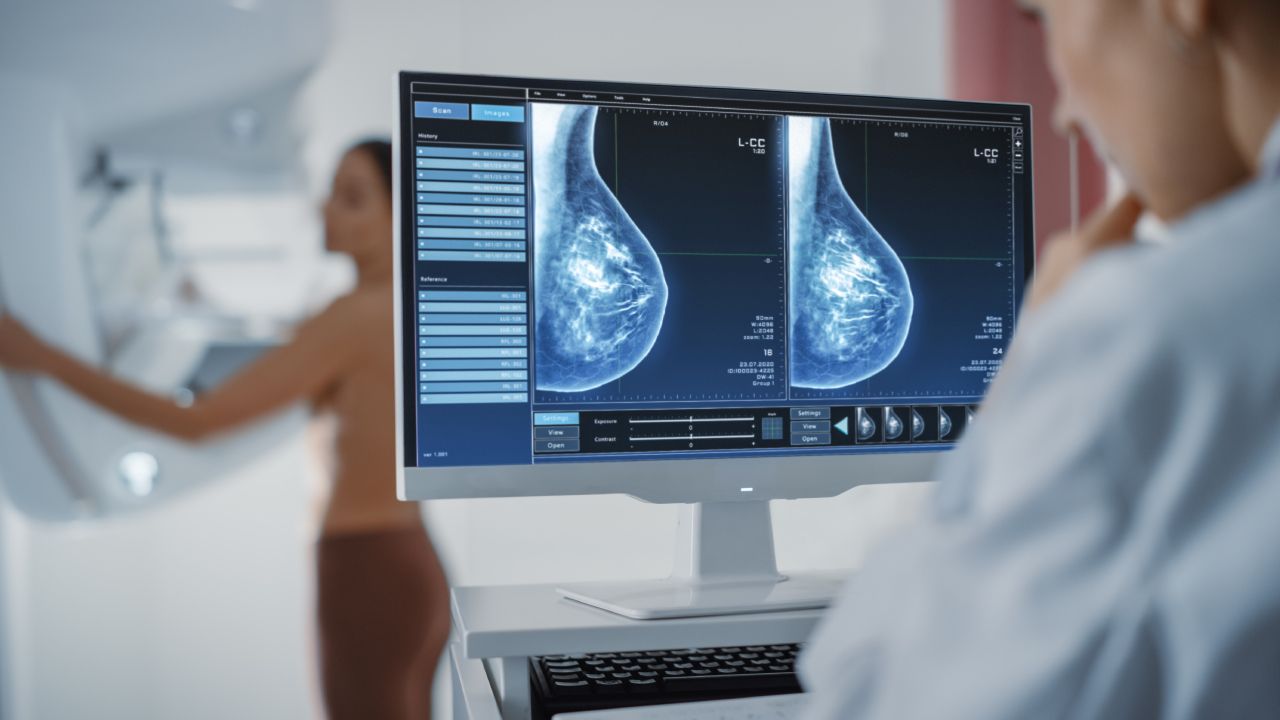
Breast health is an important aspect of overall women’s health, and timely evaluation can lead to early detection of abnormalities, including breast cancer. Two commonly used imaging tests are ultrasound and mammogram. While both provide valuable information, they serve different purposes and complement each other.
Dr. Kanmani Govindrao Telkar emphasizes that understanding the differences helps women make informed decisions and seek timely care.
What Is a Mammogram
A mammogram is an X-ray imaging technique that visualizes the internal structure of the breast. It is primarily used for routine screening and early detection of breast cancer in women over 40 or those at high risk.
Mammograms can detect:
- Small lumps or masses
- Microcalcifications
- Structural changes in breast tissue
It is widely recommended as a standard screening tool for early breast cancer detection.
What Is a Breast Ultrasound
Ultrasound uses sound waves to produce images of breast tissue. It is often used as a follow-up to mammogram findings or for evaluating specific symptoms, such as a palpable lump.
Breast ultrasound helps identify:
- Solid masses vs fluid-filled cysts
- Tissue density in dense breasts
- Lumps not visible on mammogram
- Guidance for biopsy or aspiration
It is safe, non-invasive, and does not involve radiation exposure.
Key Differences Between Ultrasound and Mammogram
Understanding the differences helps determine which test is appropriate in various scenarios:
- Technique: Mammogram uses X-rays; ultrasound uses sound waves.
- Purpose: Mammogram is primarily for screening; ultrasound is more diagnostic or supplementary.
- Radiation Exposure: Mammogram involves minimal radiation; ultrasound has none.
- Detection Ability: Mammogram detects microcalcifications and early cancers; ultrasound is better for distinguishing cysts from solid masses.
- Breast Density: Ultrasound is more effective in dense breast tissue.
Both tests often complement each other for a complete evaluation.
When Mammogram Is Recommended
Mammograms are usually suggested for:
- Women over 40 years for routine screening
- Those with family history of breast cancer
- Detection of suspicious lumps or calcifications
- Follow-up after prior breast abnormalities
Early detection through mammogram significantly improves outcomes in breast cancer management.
When Breast Ultrasound Is Recommended
Ultrasound is particularly useful in:
- Evaluating palpable lumps in younger women
- Dense breast tissue where mammogram sensitivity is reduced
- Investigating cysts or fluid-filled lumps
- Guiding procedures like biopsies or aspirations
It is often used in combination with mammograms for a thorough assessment.
Advantages and Limitations
Mammogram Advantages:
- Detects early cancers before they are palpable
- Can reveal microcalcifications
- Standardized screening tool
Limitations:
- Less effective in dense breasts
- Minimal radiation exposure
Ultrasound Advantages:
- Safe, no radiation
- Differentiates cysts from solid masses
- Guides biopsies accurately
Limitations:
- Cannot detect microcalcifications
- Operator-dependent results
Importance of Early Breast Evaluation
Regular breast evaluation, whether via mammogram, ultrasound, or both, allows:
- Early detection of cancer
- Timely intervention for benign conditions
- Peace of mind and awareness of breast health
Dr. Kanmani Govindrao Telkar emphasizes that women should not delay testing if symptoms or risk factors are present.
Tips for Patients Undergoing Imaging
- Schedule Mammograms As Per Age And Risk Guidelines: Regular screening based on age, family history, and personal risk factors helps detect breast changes early, even before symptoms appear.
- Inform The Doctor About Any Lumps, Pain, Or Changes: Always mention breast pain, discharge, skin changes, or newly felt lumps so the imaging can be properly focused and interpreted.
- Combine Ultrasound With Mammogram If Needed: Women with dense breasts or suspected abnormalities may benefit from additional ultrasound for clearer evaluation and improved accuracy.
- Maintain Regular Follow-Ups: Consistent screening and follow-up appointments help monitor any changes over time and ensure timely management if required.
- Early Consultation Ensures Accurate Diagnosis And Treatment Planning: Prompt medical advice helps reduce anxiety, enables early detection, and supports better treatment outcomes.
FAQs
Q: Is ultrasound better than mammogram for breast cancer detection?
A: No. Both tests serve different purposes and often complement each other for complete evaluation.
Q: How often should women get a mammogram?
A: Typically, women over 40 should have a mammogram every 1–2 years, or as advised by their doctor based on risk factors.
Q: Does ultrasound hurt or involve radiation?
A: No. Ultrasound is painless and does not use radiation.
Q: Can mammogram detect all breast cancers?
A: Mammograms are effective but may miss cancers in dense breast tissue. Ultrasound may be used as a supplementary test.
Q: When should I consult a specialist?
A: Any new lump, breast pain, discharge, or family history of breast cancer warrants evaluation by a breast specialist.
Conclusion
Both mammogram and breast ultrasound are valuable tools in breast evaluation. Mammograms are standard for screening, while ultrasound is useful for further investigation and dense breasts. Combining both tests allows accurate diagnosis and early intervention.
For comprehensive breast evaluation and expert guidance, consult Dr. Kanmani Govindrao Telkar, who provides personalized care, advanced imaging interpretation, and preventive advice for women’s health.
If you notice any breast changes or are due for a screening, schedule a consultation with Dr. Kanmani Govindrao Telkar for expert evaluation and guidance.